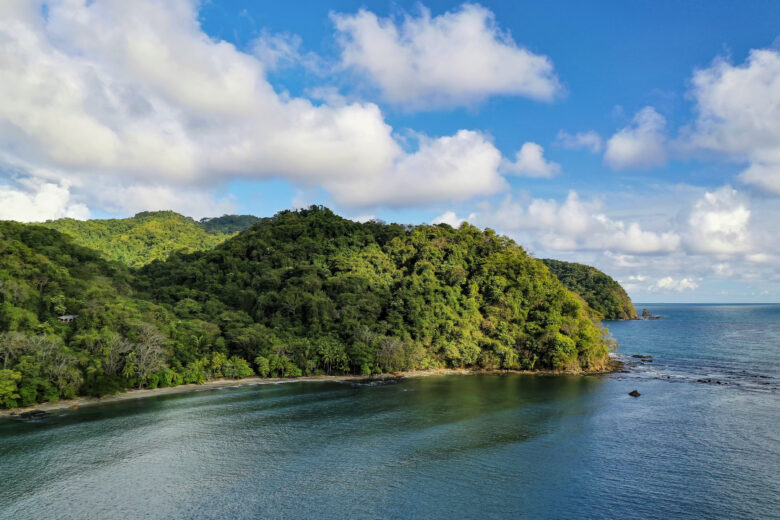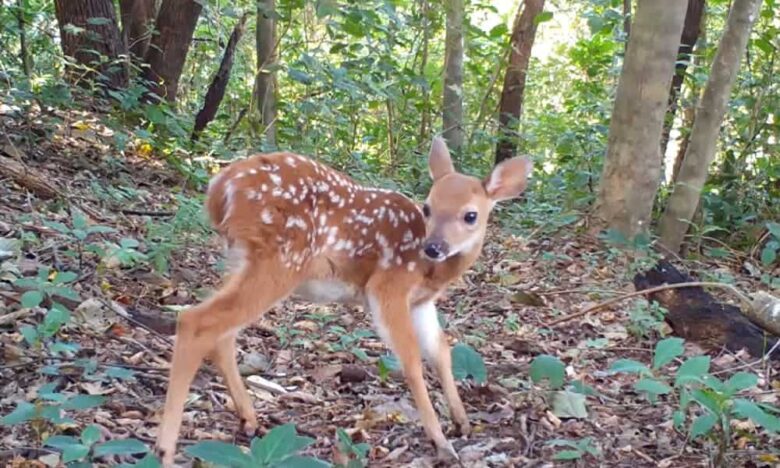
A Different Kind of Wildlife Destination
When people think of Costa Rica wildlife, they often imagine dense rainforests. But the Nicoya Peninsula offers something different—and in many ways, more accessible.
Here, wildlife exists in a tropical dry forest, where visibility is better, trails are easier, and encounters feel more intimate.
What Animals Can You See in Nicoya?
The region is home to a wide variety of species, including:
- Mantled howler monkey
- White-faced capuchin monkey
- White-nosed coati
- Green iguana
- Boa constrictor
- Scarlet macaw
And offshore:
- Bottlenose dolphin
- Sea turtles during nesting season
Best Wildlife Spots in the Nicoya Peninsula
Curu Wildlife Refuge
One of the most accessible wildlife destinations with diverse habitats and frequent sightings.
Cabo Blanco Absolute Natural Reserve
A more protected and less crowded reserve, ideal for seeing animals in a natural setting.
Why Conservation Matters Here
The Nicoya Peninsula hasn’t always been as green as it looks today.
Large portions were cleared for:
- Cattle ranching
- Agriculture
- Development
What you see now is the result of decades of conservation and reforestation.
Protected areas like Curú and Cabo Blanco have helped:
- Restore forests
- Protect biodiversity
- Create safe habitats for wildlife
Is Nicoya Better Than Other Wildlife Areas in Costa Rica?
It depends on what you’re looking for.
Nicoya is great for:
- Easier wildlife spotting
- Less crowded parks
- Dry forest ecosystems
Other regions may be better for:
- Dense rainforest species
- Higher overall biodiversity
Tips for Wildlife Travel in Nicoya
- Visit early morning or late afternoon
- Hire a local guide for better sightings
- Stay in or near protected areas
- Be patient—wildlife is unpredictable