Some travel experiences are measured by what you do. Others are remembered because of how a place made you feel. A Pacific sunset belongs to the second category: there is no checklist to complete, only a moment to notice. A sensory travel story about Pacific sunsets and why the best sunset experience is often simply being present.
Los Vivos Beachfront Experience fits this travel story because its identity is tied to the coast and the surrounding natural environment. The property describes itself as a boat-access-only retreat with ocean-view accommodation and farm-to-table cuisine. That positioning gives the article a natural bridge between destination information and the experience of staying there.
Sunset as an experience
Sunset creates a rare travel moment because it naturally asks you to stop. There is nothing to complete and nowhere to go while the light is changing. That makes it ideal for travelers who want to reconnect with the present moment.
When planning around Costa Rica sunset, think in terms of experience rather than a checklist. A traveler may search for Costa Rica sunset, but what they ultimately want is a day that feels easy, memorable and connected to Costa Rica. That distinction helps a destination article answer the practical search while still sounding human.
Golden hour on the Pacific
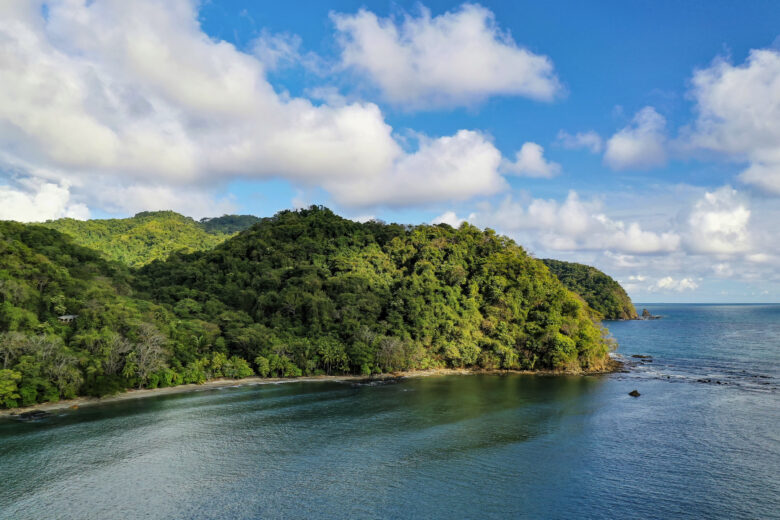
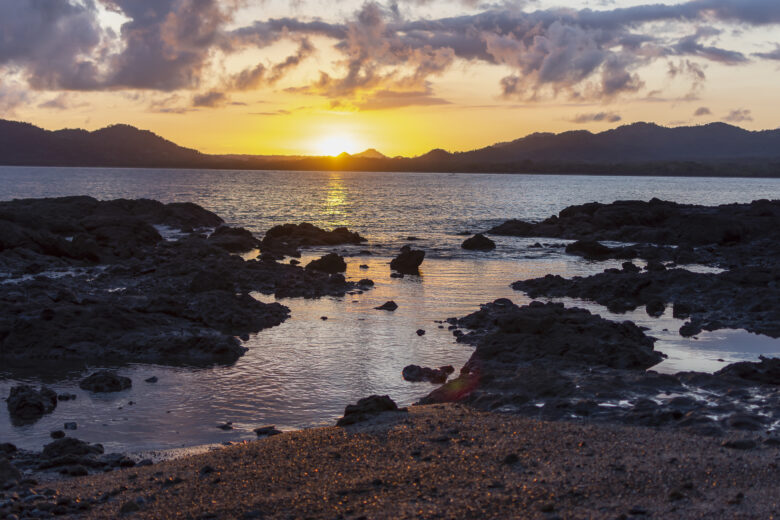
The Pacific coast gives evening light a powerful setting. As the sun drops, the water, sand and surrounding landscape can take on changing tones. At a beachfront property, you can watch those changes without turning sunset into a separate excursion.
Photograph it, then put the camera down
Photography can preserve a travel memory, but the experience should come first. Take the photograph you want, then spend a few minutes looking without a screen. The image may be useful later; the attention is valuable now.
For visitors considering Costa Rica sunset, the most useful approach is to combine one clear priority with flexible time. That might mean a beach morning followed by an excursion, a local meal after exploring, or simply an afternoon with no reservation. The goal is to make the destination work for the traveler rather than forcing the traveler to follow a rigid template.
Make the evening yours
End the day with whatever feels natural: a quiet meal, conversation, music, a walk or simply sitting outside. The point is not to produce the perfect evening but to notice that you are having one.
Planning Your Costa Rica Sunset Experience
For travelers searching for Costa Rica sunset, the most useful question is not simply where to go, but how to structure the day once you arrive. A destination can be beautiful and still feel rushed if every hour is committed. The better approach is to choose a few anchor experiences and leave enough space between them for meals, rest, weather and spontaneous discoveries. That is particularly valuable on the Pacific coast, where the landscape itself can be part of the itinerary. For this article, that means using Costa Rica sunset as a planning lens while keeping the actual experience personal and flexible.
The Nicoya Peninsula rewards travelers who give themselves permission to stay curious. A morning might begin with the ocean and end with an entirely different experience inland or in a nearby community. Rather than treating those possibilities as competing activities, think of them as different expressions of the same trip. The strongest itineraries often combine one active experience, one cultural or food experience and plenty of time simply enjoying the place where you are staying.
Another reason this topic matters for Costa Rica travelers is the difference between seeing a destination and inhabiting it for a few days. When you stay long enough to establish a rhythm, small details become memorable: the temperature at breakfast, the sound of the water in the evening, the best time for a walk, the meal you want to repeat and the view you notice from the same place at different times of day. Those details are difficult to capture in a rushed itinerary.
Los Vivos is especially relevant to this kind of travel because the property is positioned around nature rather than around a conventional town-center hotel experience. Its boat-access-only setting creates a clear transition from the road-based portion of the journey to a quieter coastal environment. For travelers who value a sense of arrival, that transition can become part of the vacation story rather than simply another transfer. That distinction is important when researching The Art of the Costa Rica Sunset: Why the Pacific Coast Is Different: the goal is not to promise a particular experience, but to explain why this type of Costa Rica travel can appeal to the right guest.
When planning a stay, travelers should also be realistic about what they want from their accommodation. Some guests want a large menu of on-site entertainment and constant activity. Others prefer the opposite: a place where the surroundings provide the entertainment and the schedule can remain light. Neither approach is inherently right for everyone. The important part is matching the property to the experience you want to have.
The practical advantage of this approach is that it creates flexibility. If the weather changes, you have room to change plans. If you discover a restaurant you love, you can return. If a boat excursion becomes the highlight of the trip, you have time to enjoy it without worrying about missing three other reservations. And if the best moment turns out to be an unplanned hour beside the ocean, the itinerary has enough space to let that moment happen.
For couples and families, that flexibility can be especially valuable. A shared vacation does not require every person to want the same thing every hour. One traveler may want an active morning while another wants to read. A flexible schedule makes it easier to meet in the middle and create shared experiences without making the entire day feel like a compromise.
There is also a broader lesson in traveling this way: Costa Rica is more than a collection of attractions. Its appeal comes from the relationship between communities, landscapes, wildlife, food and outdoor life. The more attention travelers give to those connections, the more distinctive the trip becomes. That is why a strong Costa Rica travel plan should leave room for observation, conversation and discovery—not just transportation. The result is a vacation that feels less like a checklist and more like a place you actually experienced.